
ChurchWorks Summit 2026: Faith, Policy and Partnership in Practice
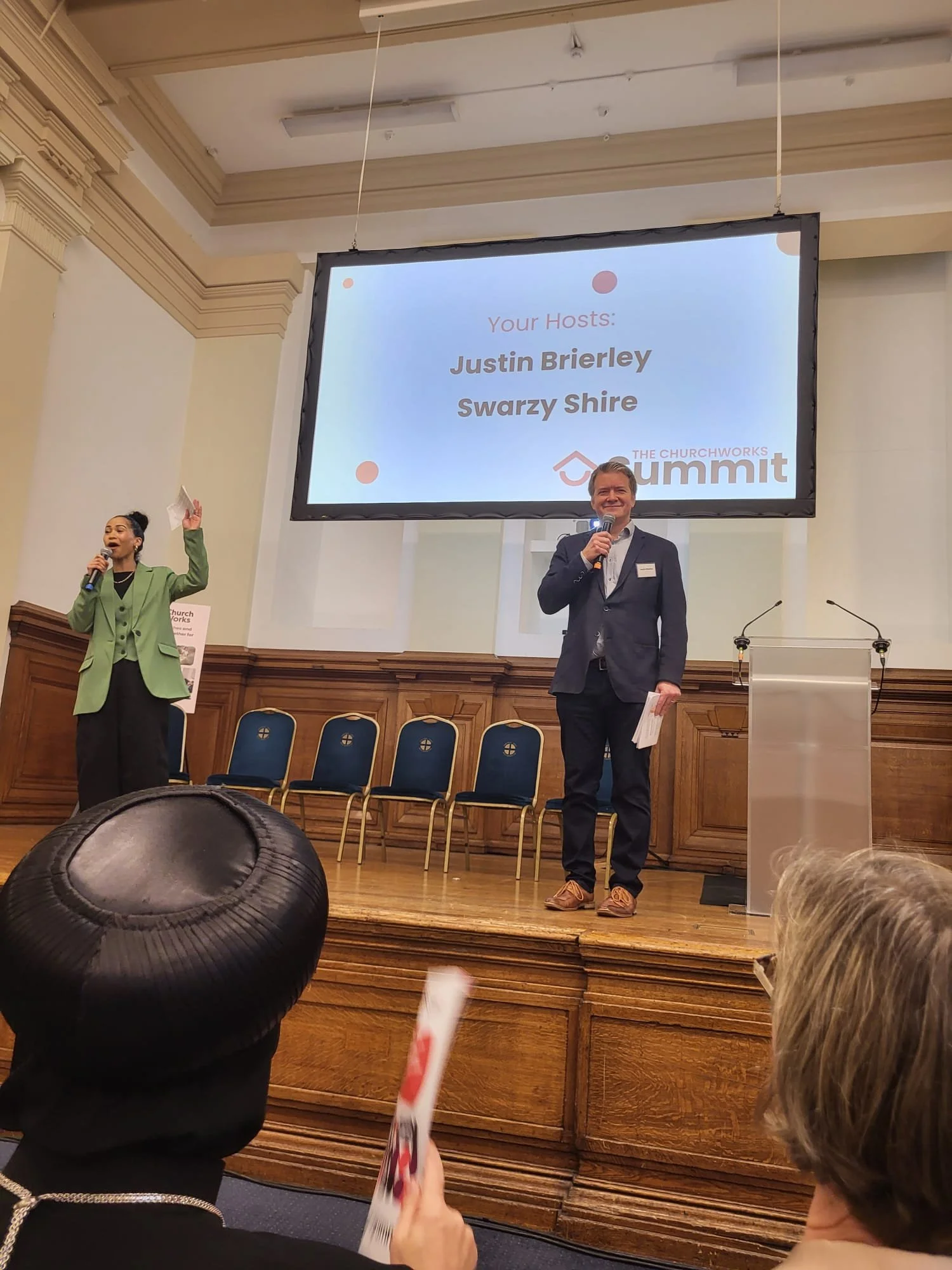
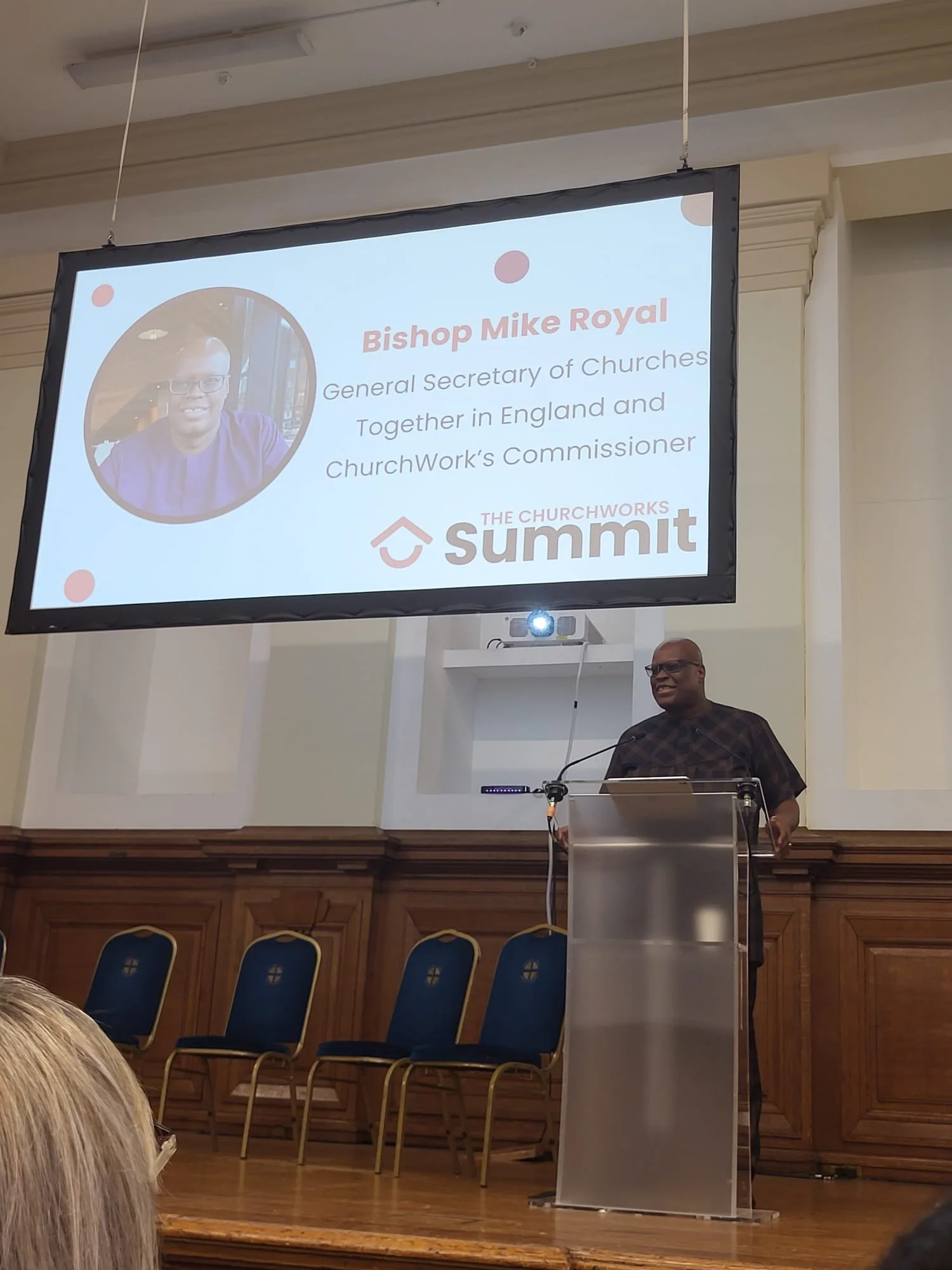
On 27th February, Iulian Coman attended the ChurchWorks Summit at Methodist Central Hall in Westminster on behalf of Christian Action Brighton.
The ChurchWorks Summit brings together senior church leaders, government ministers, public sector representatives and charity leaders to explore how faith and policy can work together for the social good. This year’s gathering focused on practical collaboration—showcasing effective church–government partnerships and addressing shared priorities such as mental health, poverty and support for vulnerable children.




A Clear Message: Government Wants to Work with Churches
One of the strongest themes of the day was that government is open to working with faith groups.
Historically, there has often been misalignment between churches and local or national government. Part of this has stemmed from suspicion—particularly the assumption that churches engage in social action primarily to proselytise. However, speakers indicated that there is now a genuine desire within government to engage constructively with faith communities of all kinds.
Examples included the introduction of a Faith & Community Sector MP and schemes designed to enable communities to pursue social good with less negative interference. The tone was collaborative rather than cautious.
For organisations like Christian Action Brighton, this signals opportunity: a shift from operating at the margins of public policy conversations to being recognised as credible partners.
Why Churches Are Effective in Mental Health, Schools and Poverty
A significant part of the Summit addressed the role of churches in tackling mental health challenges, supporting schools and addressing poverty.
Churches were described as uniquely positioned in these areas because they are:
Longstanding and embedded in their communities
Trusted and relational
Connected to individuals, not just systems
Two statistics shared during the day were especially notable:
25% of adults have been helped by a church, or know someone who has
60% of people expect churches to help if they are in need
This level of trust and expectation presents both an opportunity and a responsibility.
There was encouragement to “rehumanise” aspects of healthcare, particularly in an age increasingly shaped by automation and chatbots. Churches, by contrast, are relational spaces. That relational capital is a public asset.
Specific areas highlighted for partnership included:
Collaboration between churches and the Family Hub scheme
Addressing hygiene poverty alongside food poverty
Supporting the mental health of young people struggling to find employment
These are not abstract policy concerns. They are present in local communities, including Brighton.
Practical Insight: Fundraising and Communication
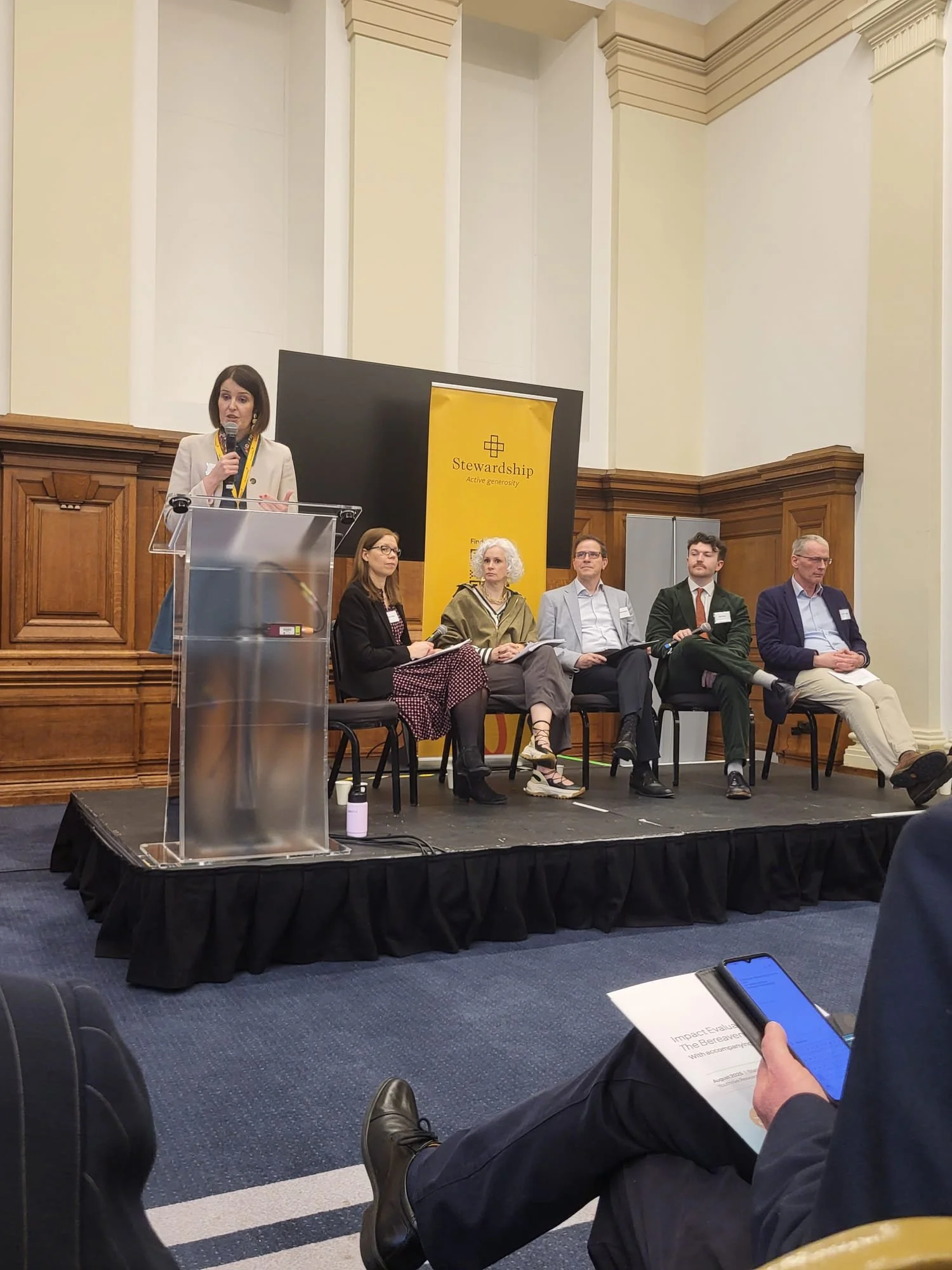
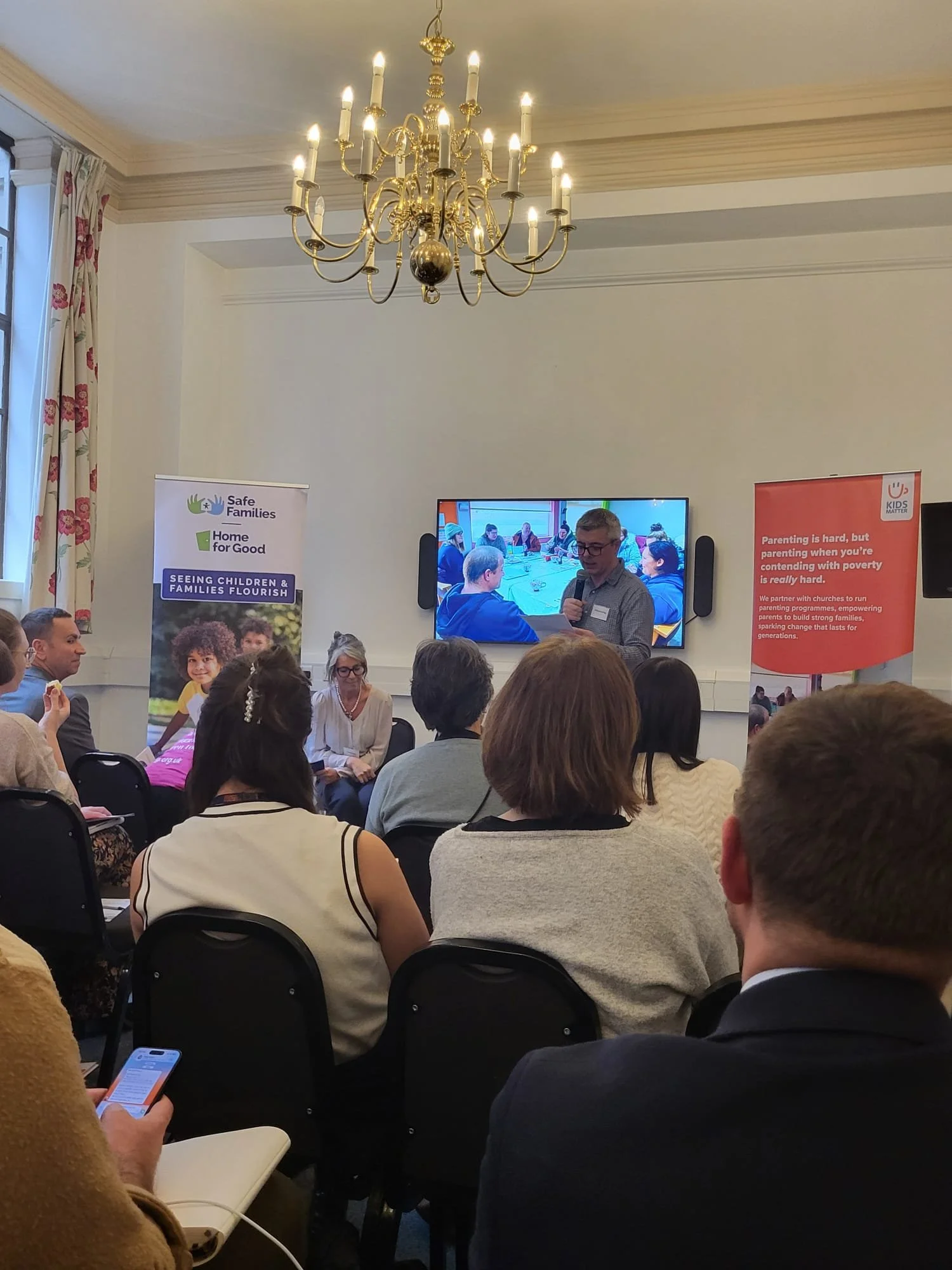
Alongside policy discussions, the Summit also included practical seminars on fundraising and communication.
Key insights included:
Tailor funding applications to the specific priorities and ethics of the funder
Present a clear, measurable ask: what it is, how much it costs and what change it will bring
Use compelling storytelling—marked by relevance, impact, human interest and credibility
Build trust through consistent, ongoing communication
For Christian Action Brighton, these insights are directly applicable. Effective storytelling and strong relationships are not peripheral—they are central to sustaining and scaling impact.
Measuring Local Impact
In conversation, Iulian also explored the possibility of measuring the financial and social value that churches bring into Brighton through social action. Quantifying this contribution could strengthen dialogue with local authorities and public services, and help demonstrate the tangible benefits of church-based initiatives.
A Shift in Atmosphere
The most significant takeaway was the sense of anticipation around doing church–government partnership better than in previous generations.
The tone was not defensive. It was confident.
There was encouragement to be assured when engaging with local authorities or MPs, and to remember that churches have longstanding expertise in serving communities.
For Christian Action Brighton, the Summit reaffirmed a core conviction: partnership is not compromise. It is an extension of service.
As Iulian reflected, the model remains clear—service over status. In the context of public life, that translates into practical collaboration, credible action and a willingness to step into shared solutions for the common good.